The coastline around Essaouira is one of the longest and most varied in Morocco. Within forty kilometres you'll find supervised urban beaches, surfer beaches without a single house in sight, ruins in dunes, and one of the most famous windsurfing spots in the world. Each one has its own logic. Knowing which is right for what changes a trip completely.
What follows is not a generic top ten. It's five beaches we visit regularly, north to south, with what we do there and what you should know before going.

1. Essaouira's central beach
The beach you see as soon as you step out of the medina. It stretches several kilometres south, reachable on foot from anywhere in town. Wide, flat, sandy, supervised in July-August on its northern section. Also the liveliest — pickup football matches, donkey rides, vendors, group surf lessons for beginners.
What it's good for: a short trip where you don't want to spend time on transport. Families with children who want to stay close to where they're staying. First mornings on arrival, to get oriented. Morning runs (the beach at 7 am is one of Essaouira's most beautiful moments).
What it's less good for: absolute quiet or calm swimming at any hour. Summer afternoons, the wind takes everything with it. And the density stays high in July-August, especially between the kasbah and the first kilometre south.
2. Diabat — ten minutes south
Diabat is a small coastal village 7 km south of Essaouira, reachable by a direct road or via the beach at low tide (count 1h30 walking — possible but long). Its beach is notably larger and quieter than the central one. It's overlooked by the ruins of an 18th-century sultanic palace, the Borj el-Berod, perched on dunes facing the ocean. One of the most photographed landscapes in the region.
The palace has been partly buried by sand over the decades. Enough remains to walk around it and through it. Local legend holds that Jimi Hendrix was inspired by the place in 1969 (he did spend a few days in Diabat and Essaouira that year; the rest is polite folklore).
What it's good for: late morning or late afternoon walks, walking the dunes, photography, picnics. Kids love the ruins. The beach itself is beautiful but the wind is as present here as in Essaouira.
How to get there: 15 minutes by car, or by shared grand taxi from Essaouira (around 50 MAD for the whole car, splittable).
3. Sidi Kaouki — the other planet
Twenty-seven kilometres south of Essaouira, Sidi Kaouki is a vast, wild, nearly empty beach next to a tiny village of a few houses and two or three cafés. It's where locals from Essaouira go when they really want to breathe.
The landscape: a low bluff sloping gently down to a beach that runs out of sight to the south. Nothing built beyond the village. No music. No vendors. Just sand, ocean, wind, and a lone whitewashed marabout on a headland (the shrine of Sidi Kaouki, which gives the place its name).
What it's good for: surfers (waves are long and regular, intermediate to advanced level), long meditative walks, a day far from town, quad bike or horseback rides. Several surf schools operate here, including Magic Fun and Kaouki Beach Surf School. Around 250–350 MAD for a 2-hour group class, board and wetsuit included.
Food side: two simple cafés on the seafront serve tajines, salads, grilled fish. Nothing gastronomic, but the atmosphere is exactly right. Big ocean view, especially at sunset.
How to get there: 30 minutes by car on the coast road (newly paved). A private taxi runs about 250 MAD round trip with waiting time. Very few regular shared transports. A good detour if you're staying at Thuya House, which sits on the same road, halfway between Essaouira and Sidi Kaouki.
4. Moulay Bouzerktoun — world-class windsurf
Thirty kilometres north of Essaouira (towards Safi), Moulay Bouzerktoun is another world. One of the most famous windsurfing and wave-sailing spots in the world. Wind blows almost daily at 25–40 km/h in summer, waves rise to 2–6 metres in winter, and the local break is famous for power and consistency.
The village is tiny. A few restaurants, two or three guesthouses, a small windsurf school that rents gear. International windsurfers and kitesurfers settle here for two or three weeks in high season.
What it's good for: windsurf enthusiasts, photographers (the light on the rocks is exceptional), the curious wanting to see a legendary spot. Non-practitioners can spend a half-day watching, eat grilled fish, head back. This isn't a swimming beach: the coast is rocky and dangerous for the uninitiated, which is exactly what makes the waves so good.
How to get there: 35–40 minutes by car from Essaouira along the northern coast road. No public transport. A day trip is the right format.
5. Cap Sim — the beach without a road
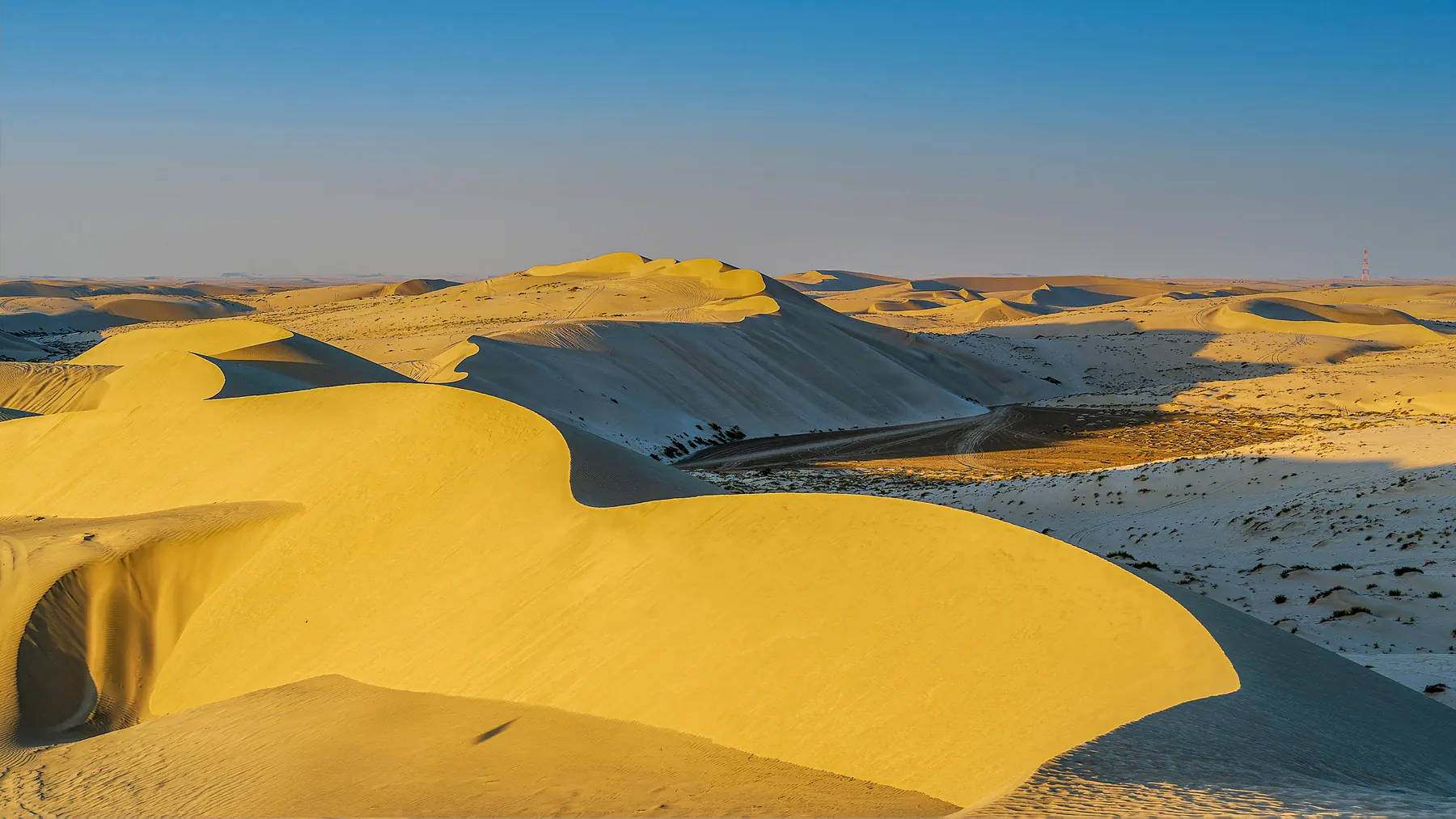
Between Diabat and Sidi Kaouki, Cap Sim is a wild beach that doesn't show up on any GPS. No direct road: either walk from Diabat (1h there, along the coast, beautiful walk at low tide) or take a difficult 4x4 track from inland. The result is a nearly untouched beach, occasionally inhabited by a few surfers pitching tents for a night or two.
The cape itself is a rocky headland where gulls live and where monk seals occasionally appear (extremely rare, don't count on it). The walk from Diabat crosses shifting dunes. One of the most beautiful short hikes in the area. Bring proper shoes and water — it gets hotter in the dunes than you'd think.
What it's good for: walkers, photographers, anyone wanting a beach to themselves for a day. Not for families with small children (no shade, no services), nor for swimmers (currents and rocks at the tip of the cape).
Family-friendly beaches: which ones?
For families with young children, the hierarchy is clear:
- Essaouira central beach, supervised northern section, in the morning. The standard.
- Diabat, in the afternoon on the side near the ruins, less windy some days.
- Sidi Kaouki on calm-wind days (check the forecast). A great experience of space for kids.
More detail on family holidays in Essaouira in our family piece.
Timing your beach days
Wind is the decisive factor. As in our seasonal guide, relative calm settles in between late September and early June, with perfect windows in spring and early autumn. Summer is excellent for sport (surf, windsurf, kitesurf) but tough for restful swimming.
A few simple rules:
- For calm swimming: mornings, any season.
- For surf / windsurf: summer at Moulay and Sidi Kaouki.
- For walking and photography: spring and autumn, late afternoon for the light.
- For a family picnic: Diabat or the southern end of Essaouira beach, sheltered from the wind.
One last thing. Tides matter here. At low tide the foreshore reveals huge stretches of sand. You can walk between beaches, find shells and starfish, and kids play in residual pools. At high tide you get pushed back against the dune or the promenade. Checking the tide times the night before saves an hour or two of useful beach time.